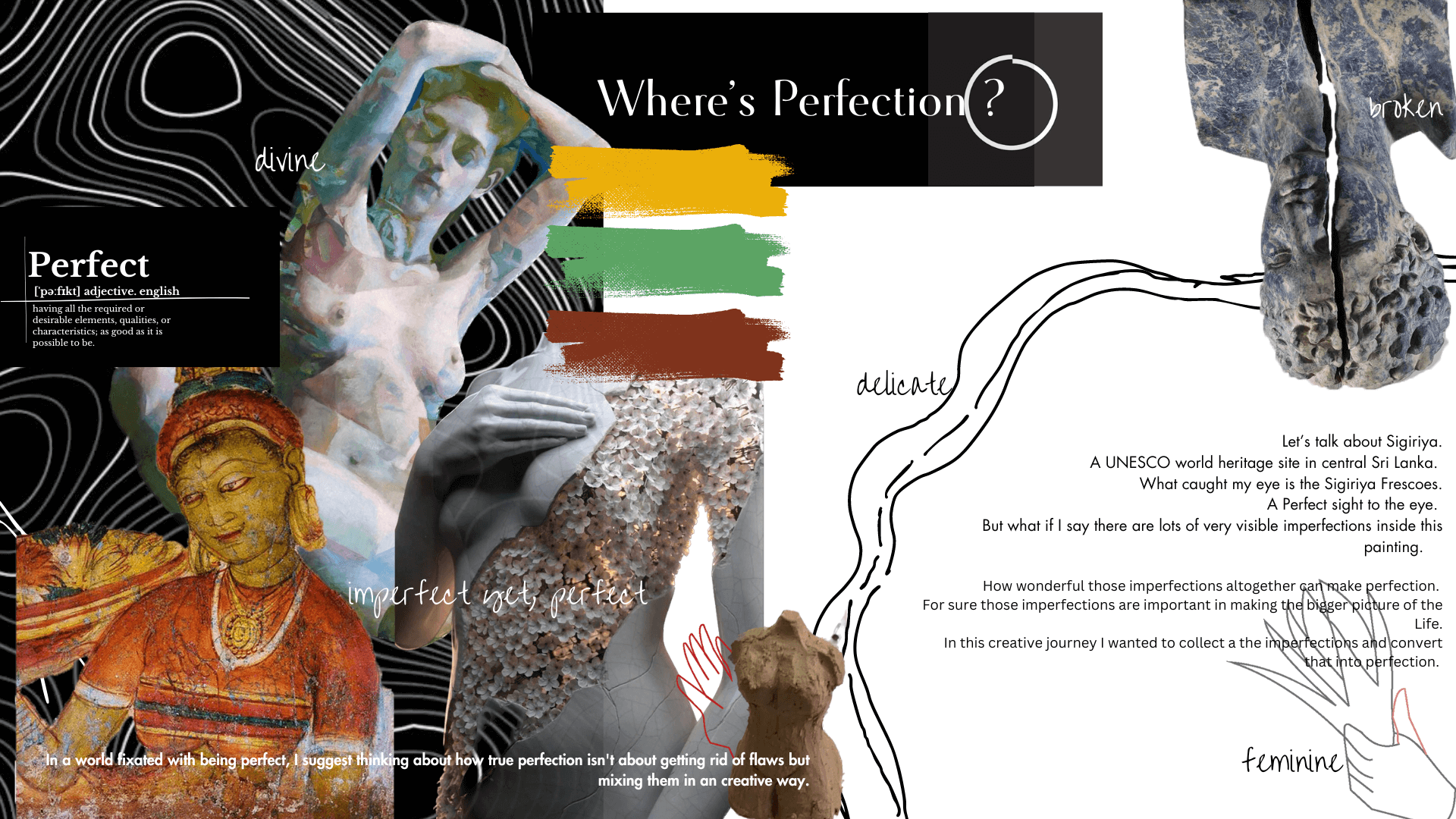
Where’s Perfection ?
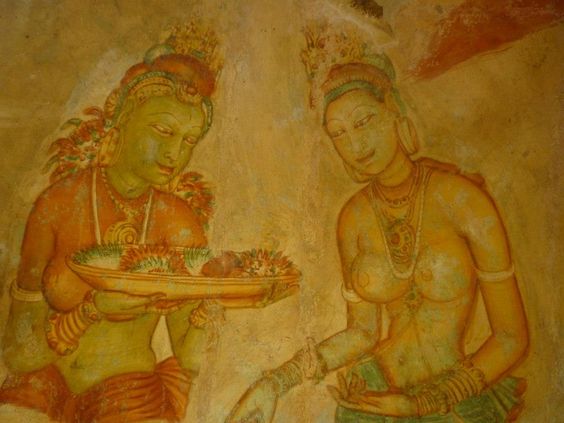
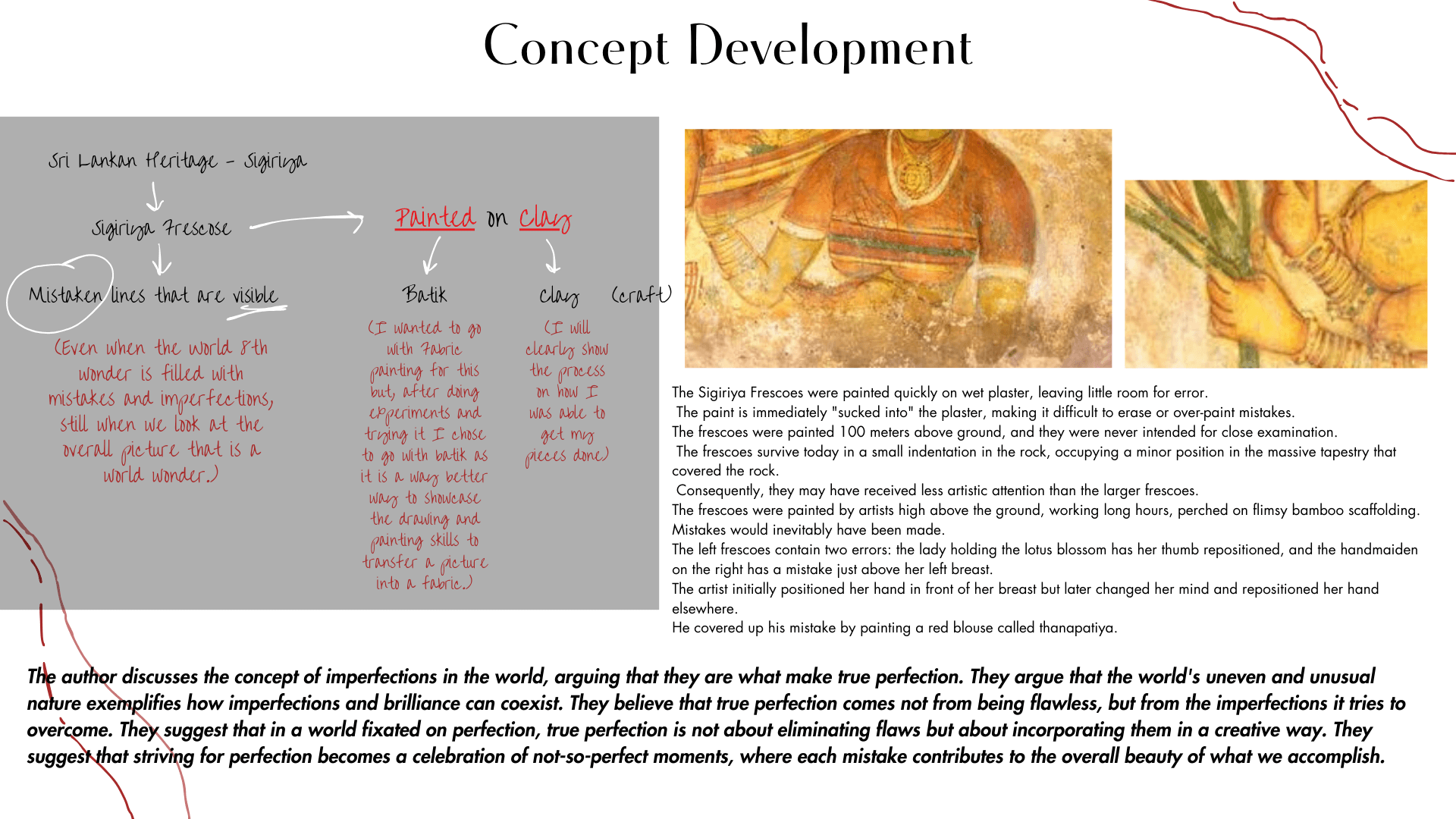
The Sigiriya Frescoes were painted quickly on wet plaster, leaving little room for error. The paint is immediately "sucked into" the plaster, making it difficult to erase or over-paint mistakes. The frescoes were painted 100 meters above ground, and they were never intended for close examination. The frescoes survive today in a small indentation in the rock, occupying a minor position in the massive tapestry that covered the rock. Consequently, they may have received less artistic attention than the larger frescoes. The frescoes were painted by artists high above the ground, working long hours, perched on flimsy bamboo scaffolding. Mistakes would inevitably have been made. The left frescoes contain two errors: the lady holding the lotus blossom has her thumb repositioned, and the handmaiden on the right has a mistake just above her left breast. The artist initially positioned her hand in front of her breast but later changed her mind and repositioned her hand elsewhere. He covered up his mistake by painting a red blouse called thanapatiya.
Key Findings
01. Heritage
Sri Lanka's heritage is a blend of cultural, historical, and artistic achievements spanning thousands of years. From ancient architectural marvels like Sigiriya to vibrant traditions of dance and craftsmanship, our heritage shapes our identity. Each monument and artifact tells a story, preserving the creativity and resilience that define Sri Lanka.
02. Crafts
Sri Lankan crafts reflect the island’s rich heritage through wood carvings, pottery, textiles, and jewelry. Artisans use traditional methods and natural materials, blending old techniques with modern designs to preserve cultural identity and showcase creativity.
03. Sigiriya Frescose
The Sigiriya murals were created after the Sky Palace's exterior wind-break wall was built. Bamboo scaffolding, coconut fiber rope, and lime plaster were used. The "fresco lustro" technique was used for durability, using earth-mineral pigments in red, yellow, green, and black. The chief artist outlined and layered the frescoes for rich colors.
04. Batik & Clay
In Sri Lanka, the batik and clay industries highlight our cultural heritage. Batik artisans use wax-resist dyeing to create vibrant patterns on fabric, while potters craft both traditional and contemporary ceramics using local clay and age-old techniques. These industries blend artistry and tradition, producing unique and culturally significant works.
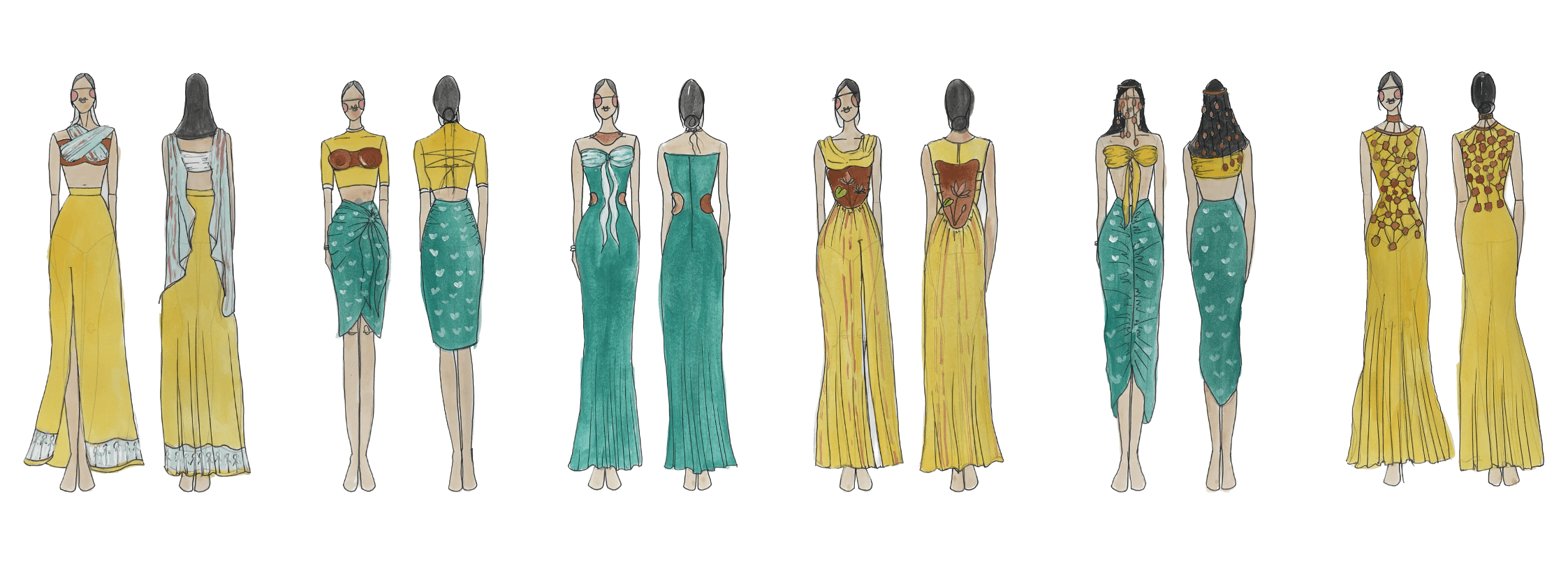
Range

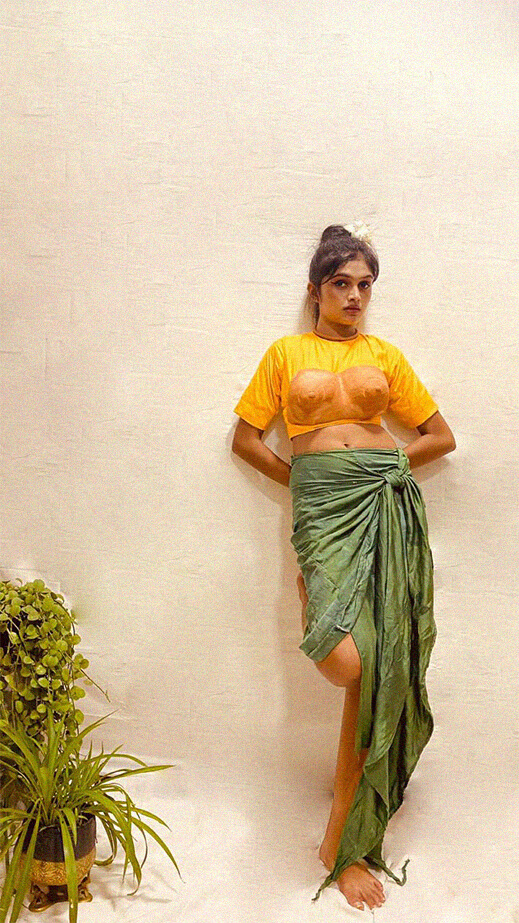
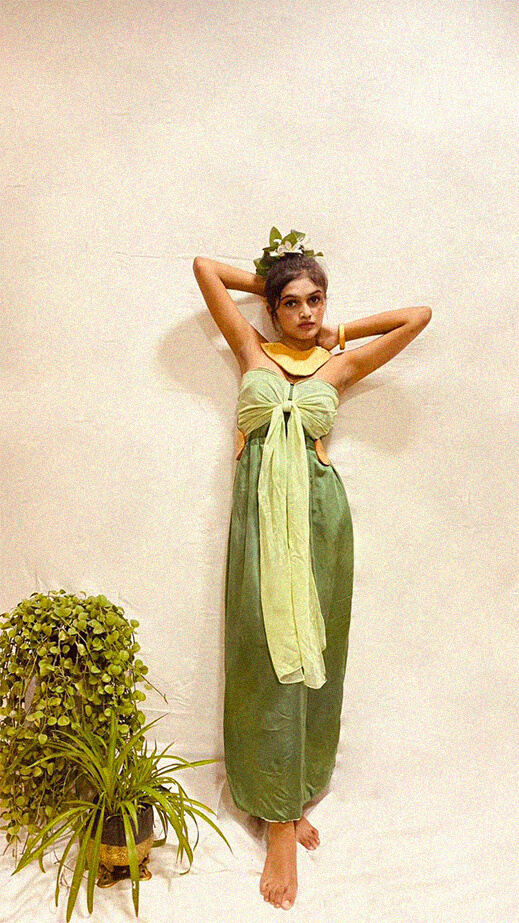
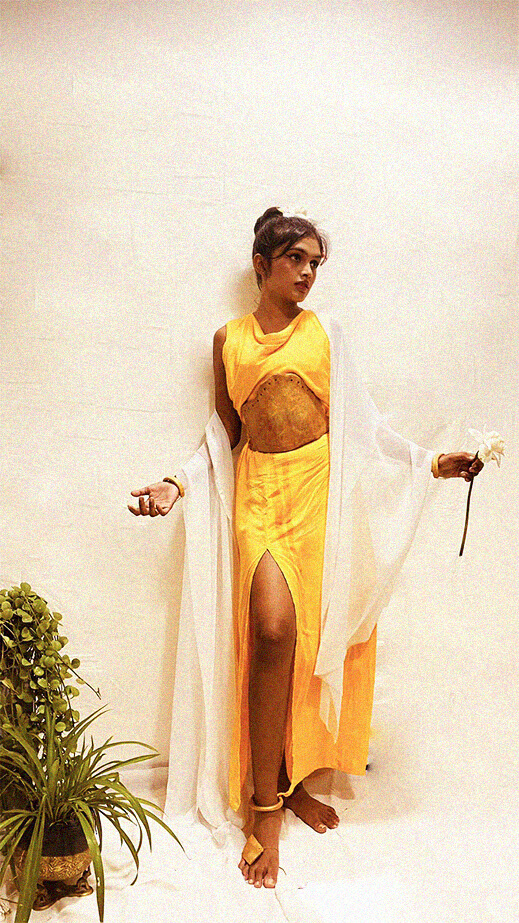
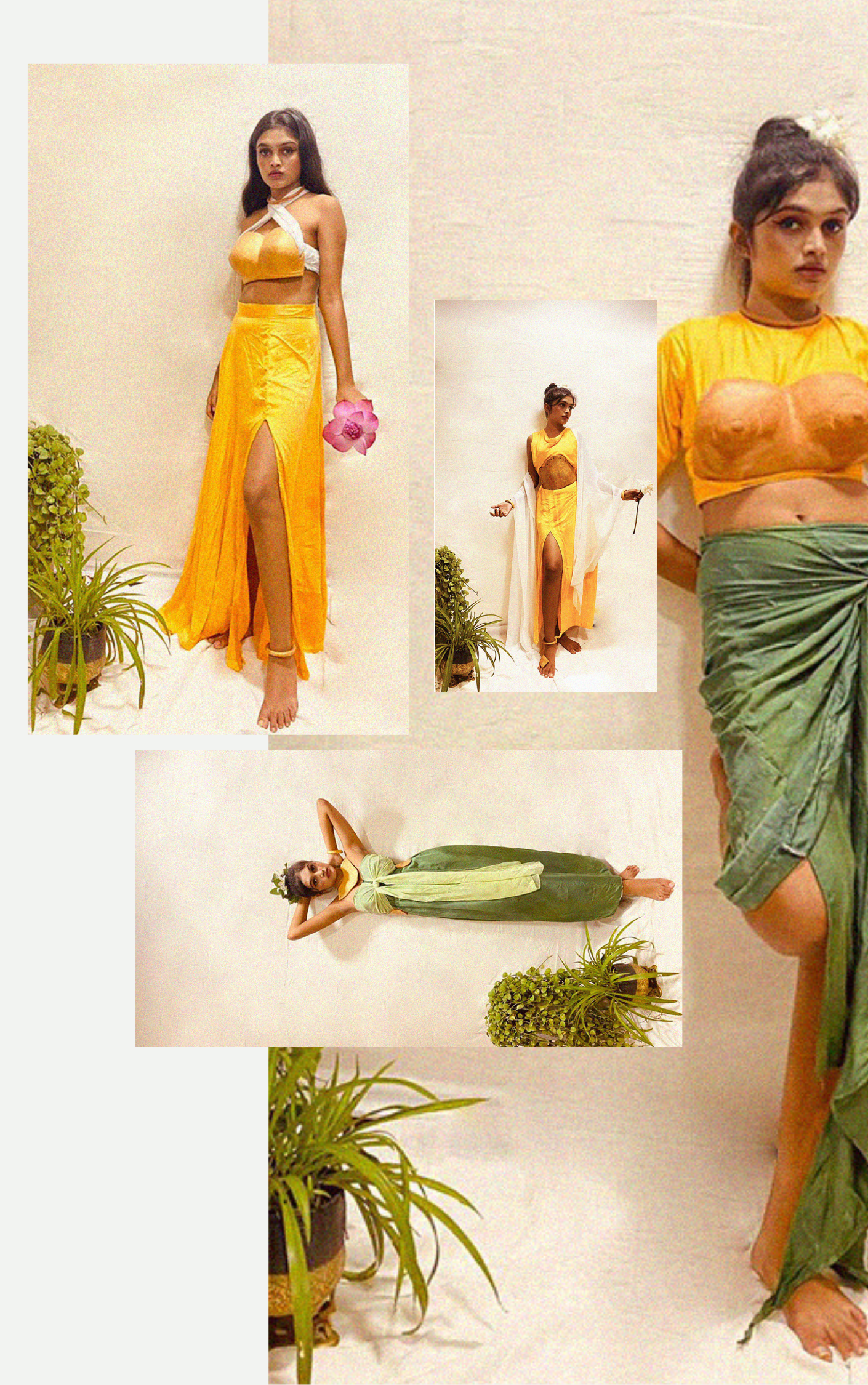

Yuwani Ambagahawattha
Hello, my name is Yuwani Ambagahawattha, a passionate fashion design student dedicated to honing my skills in sketching, stitching, and graphic design. I draw inspiration from art, culture, and nature to create unique pieces. My strengths lie in sketching, bringing ideas to life through the pencil, and experimenting with fabrics, textures, and techniques. With a keen eye for aesthetics and a strong understanding of visual communication, I aim to contribute meaningfully to the fashion industry

Yuwani Ambagahawattha
Contact now
Have a project or question? Send me a message. I will reply within 48 hours.